


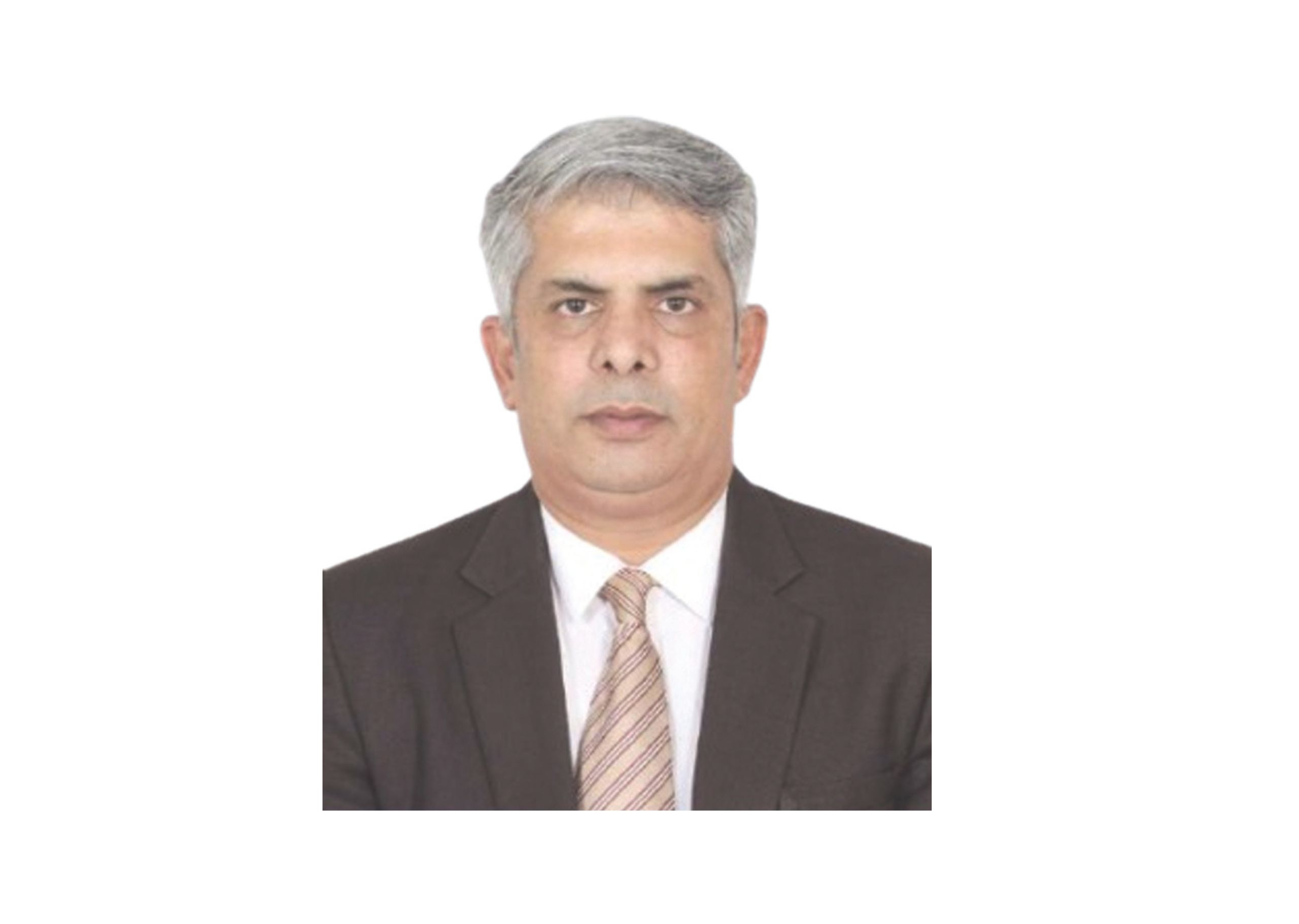
About Mr. Bharindwal
Mr. Narendra Kumar Bharindwal is a seasoned insurance professional with over two decades of experience in insurance broking and regulatory advocacy. Currently serving as the Director and President of the Insurance Brokers Association of India (IBAI), he is also the Principal Officer and CEO of RMS ARC Insurance Brokers (P) Ltd and a Certified Independent Director (IICA). Known for his strategic leadership and regulatory insight, Mr. Bharindwal has played a pivotal role in shaping broker regulations, enhancing policyholder protection, and promoting risk awareness among Gen Z. His contributions continue to influence the direction and resilience of India’s insurance broking ecosystem.
Q: As President of the Insurance Brokers Association of India (IBAI), what is your vision for the association in shaping the future of insurance broking in India?
A: My vision is to position IBAI as the primary voice and catalyst for the transformation of the insurance broking industry in India. We aim to build a robust ecosystem where brokers evolve as trusted advisors, not just intermediaries. IBAI will focus on policy advocacy, professional development, digital enablement, and inclusion to ensure brokers play a central role in deepening insurance penetration across Bharat.
Q: What are the key challenges currently faced by insurance brokers in India, and how is IBAI working to address them and create new growth opportunities?
A: The broking industry today faces challenges such as regulatory complexity, commoditization of services, lack of awareness about the broker’s role, and uneven playing fields. IBAI is actively engaging with IRDAI to streamline processes, reduce regulatory frictions, and advocate for parity across distribution channels. We are also working to open new segments like cyber insurance for MSMEs and embedded insurance models creating fresh growth opportunities for our members.
Brokers are uniquely placed to serve as the bridge between insurers and understood markets. Through grassroots initiatives and digital outreach, we can educate MSMEs, SHGs, and rural entrepreneurs about risk protection.
Q: How does IBAI engage with IRDAI and other stakeholders to represent the interests of brokers and contribute to a more enabling regulatory ecosystem?
A: We maintain a continuous and constructive dialogue with IRDAI, participating in consultative papers, working groups, and committees. Our aim is to ensure that the broker’s perspective is well-represented, especially on issues related to fair regulation, technology adoption, and ease of doing business. We also work closely with the Ministry of Finance and industry think tanks to align with national financial inclusion goals.
Q: With the rise of digital platforms and InsurTechs, how are traditional brokers adapting, and what support does IBAI provide to help members embrace digital innovation?
A: Traditional brokers are evolving by integrating digital tools into client servicing, risk profiling, and claims support. IBAI has launched knowledge sessions on digital transformation and is working on strategic partnerships with InsurTechs to offer plug-and-play tech stacks. We also support member firms in adopting CRM, data analytics, and API integrations to remain competitive.
Q: What initiatives has IBAI taken to strengthen knowledge, compliance, and professionalism among its member brokers through training or certification programs?
A: We are in advanced discussions for regular CPD (Continuing Professional Development) modules, certification courses in collaboration with reputed institutions, and specialized training on emerging risks. IBAI’s Compliance Calendar, advisory notes, and webinars ensure brokers stay ahead on regulatory and operational excellence. We are also working toward a certification program focused on ethical practices and customer-centricity.
Q: What role do you see for brokers in driving insurance awareness and penetration, particularly among MSMEs, rural customers, and underinsured sectors?
A: Brokers are uniquely placed to serve as the bridge between insurers and underserved markets. Through grassroots initiatives and digital outreach, we can educate MSMEs, SHGs, and rural entrepreneurs about risk protection. IBAI advocates for the inclusion of brokers in government-led insurance schemes and is developing toolkits for vernacular engagement and community training.
Q: Is IBAI engaging with international broker associations or adopting global best practices to elevate Indian broking standards?
A: Yes, IBAI is in active dialogue with global broker associations, including those in the UK, ASEAN, and the US. IBAI is a member of CAPIBA (Council of Asia Pacific Broker Associations) based in Australia and we exchange notes on regulatory/market and technical issues. CAPIBA in turn is a member of the WFII (World Federation of Insurance Intermediaries) based out of Belgium, and the IBAI President has been a special invitee for the last three global conferences, where a presentation about the prevailing conditions in every large market are deliberated upon. We benchmark international standards in compliance, claims advocacy, and client servicing to raise the bar domestically. Cross-learning, joint events, and participation in global forums help us adapt best practices to the Indian context.
Q: What are your expectations for the Indian insurance broking industry over the next 5–10 years, and how can brokers prepare for the evolving market dynamics?
A: We foresee a tenfold growth in broking-led insurance distribution, especially in the SME, cyber, and health ecosystems. The future belongs to brokers who can combine technology with human expertise to deliver risk solutions. To prepare, brokers must invest in skilling, embrace digital platforms, and reimagine their business models around value-added services and long-term client engagement.
