


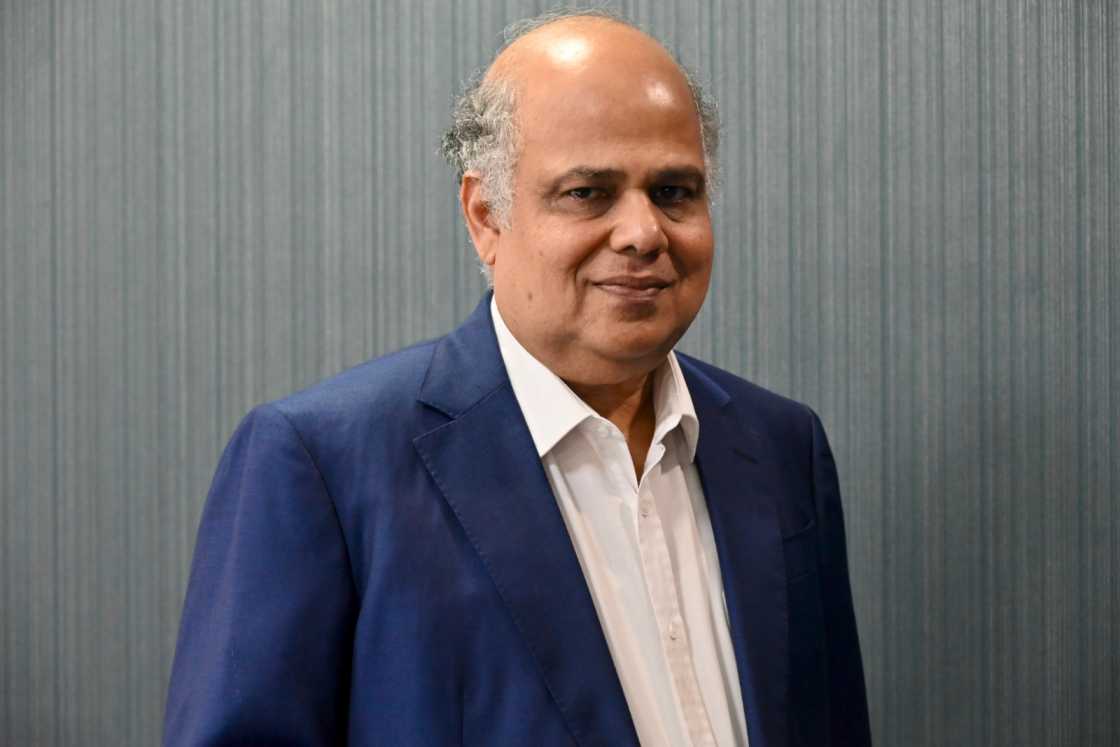
About Mr. G. Srinivasan
Mr. G. Srinivasan has over 4 decades of successful experience in General Insurance Industry across various regions of India and abroad in all facets of insurance sector.
In his last assignment he was Director of National Insurance Academy for more than four years
providing Leadership to the premier institution to excel in Insurance Education, Training, Research and Consultancy and to act as a Think-tank for the policy makers.
Prior to that he had 39 years of experience in the Non-life insurance industry both in India and abroad. He was CMD of New India Assurance Co Ltd., the largest Indian Non-life insurer between 2012 and 2018 for about six years.
Prior to that he was CMD of United India Insurance Co. Ltd for five years between 2007 and 2012. He was also MD and CEO of New India Assurance Co (Trinidad and Tobago) Ltd. in the Caribbean for little over four years.
He has been on the Boards of many companies as Director and Chairman both in India and abroad. He has held Chairmanship of General Insurance Council and General Insurance Public Sector Association (GIPSA). He was on the Insurance Advisory Committee of IRDAI. He has been on many committees of IRDAI and IFSCA, Gandhinagar. He also served as President of Insurance Institute of India. He has been conferred Fellowship by Institute of Directors.
He has received many awards during his long tenure including the ‘Personality of Year’ by Asia Insurance Industry Awards, Singapore and ICON of the profession by Institute of Cost Accountants of India.
He is a Commerce Graduate of Madras University, Fellow of Institute of Cost Accountants of India and a Fellow of Insurance Institute of India
Q: As the founding MD & CEO of Galaxy Health Insurance, what is your strategic vision for the company, and how do you plan to position it in India’s fast-evolving health insurance landscape?
A: As the MD & CEO of the company, my vision is to build a customer-focused and technology-driven health insurance company that makes quality healthcare protection accessible to all. We aim to establish Galaxy Health as a trusted insurer known for transparent services, strong claims settlement, and innovative health solutions.
Our focus is on expanding beyond metro cities and strengthening our presence in district-level and underserved markets across India. With a strong agency network, hospital partnerships, and digital capabilities, we are working towards building a pan-India presence.
Q: With health insurance being one of the fastest-growing segments in general insurance, what key market gaps is Galaxy Health aiming to address, particularly in terms of innovation and customer-centricity?
A: One of the key opportunities lies in designing simplified and affordable health insurance products that cater to first-time buyers and underserved populations. Many customers still perceive health insurance as complex, expensive, or difficult to access. We aim to bridge this gap through easy-to-understand products, faster onboarding, and transparent policy structures.
Another important area is strengthening healthcare accessibility through curated hospital networks, digital integration, and technology-enabled services. Customers today expect seamless experiences – from policy purchase to claims settlement. Galaxy Health is investing in digital capabilities, AI-driven underwriting, faster claims processing, wellness integration, and telemedicine support to enhance convenience and trust.
Preventive healthcare and wellness-based insurance models also represent a major growth opportunity. The future of health insurance will move beyond hospitalization coverage toward continuous health management. We are therefore focusing on wellness initiatives, OPD-oriented benefits, and customer engagement platforms that encourage healthier lifestyles.
Q: How is Galaxy Health Insurance planning to integrate digital technologies in areas like policy issuance, underwriting, claims processing, and health analytics?
A: In policy issuance, we are focusing on end-to-end digital onboarding with simplified proposal journeys, paperless documentation, CKYC integration, and instant policy issuance. The aim is to make health insurance more accessible, convenient, and faster for customers across urban as well as emerging markets.
In underwriting, advanced analytics and AI-driven risk assessment tools help us improve accuracy, speed, and personalization. Technology enables better evaluation of customer profiles, medical histories, and lifestyle patterns, thereby supporting more efficient and data-driven underwriting decisions while maintaining customer convenience.
Claims processing is another critical area where digital transformation can significantly improve customer trust and satisfaction. Galaxy Health is working towards faster, transparent, and hassle-free claims settlement through automation, intelligent document processing, fraud detection systems, and real-time claim tracking.
Health analytics and data intelligence will also be key strategic pillars. By leveraging health data insights responsibly, we aim to strengthen preventive healthcare initiatives, wellness engagement, disease management, and personalized customer communication.
Q: As a new entrant in a competitive health insurance market, what will be Galaxy’s key differentiators – in terms of products, partnerships, or distribution strategies?
A: The health insurance sector in India is highly competitive, but it also offers immense opportunities for companies that can combine innovation, agility, and customer-centricity. As a focused health insurer, Galaxy Health Insurance aims to differentiate itself through a balanced approach encompassing product innovation, strategic partnerships, technology integration, and customer engagement.
One of our key differentiators will be the development of simple, affordable, and need-based health insurance solutions tailored to the evolving requirements of Indian customers, particularly in Tier 2 and Tier 3 markets. We believe there is a strong need for products that are easy to understand, accessible to first-time buyers, and aligned with the healthcare realities of different customer segments.
Another major focus area is building strong healthcare partnerships. By collaborating closely with hospitals, healthcare providers, diagnostic networks, wellness platforms, and digital health ecosystems, Galaxy Health aims to deliver not just insurance coverage, but a comprehensive healthcare support system. These partnerships will help improve service quality, affordability, and customer convenience.
In terms of distribution strategy, Galaxy Health intends to adopt a diversified and inclusive approach. Along with traditional agency and intermediary channels, we will leverage bancassurance partnerships, digital platforms, embedded insurance models, and emerging distribution ecosystems to improve market reach and accessibility. The objective is to meet customers where they are — both physically and digitally.
Q: Given your extensive involvement with IRDAI and other regulatory committees, how do you view the current regulatory environment for standalone health insurers, and what progressive reforms would you advocate?
A: India’s health insurance sector has witnessed significant regulatory evolution over the past decade, and the regulatory environment is progressive, customer-focused, and growth-oriented. The initiatives taken by Insurance Regulatory and Development Authority of India towards improving transparency, enhancing customer protection, encouraging digital adoption, and expanding insurance penetration have created a strong foundation for the growth of standalone health insurers.
For standalone health insurance companies, the current regulatory framework offers substantial opportunities to innovate, expand distribution, and improve accessibility. Reforms such as standardization of products, emphasis on customer-centric claims practices, sandbox regulations for innovation, digital health initiatives, and the broader vision of “Insurance for All by 2047” are all positive developments for the industry.
At the same time, health insurance is a highly dynamic sector that requires continuous regulatory adaptation in line with evolving healthcare needs, medical inflation, and technological advancements. Going forward, one important area of focus should be greater encouragement for preventive healthcare and wellness-based insurance models. The industry should progressively move from a “sickness financing” approach toward a “health management” ecosystem, where insurers actively support wellness, early diagnosis, and chronic disease management.
Another key reform area is strengthening integration between healthcare and insurance through digital health infrastructure, including initiatives like the Ayushman Bharat Digital Mission (ABDM). Seamless interoperability of health records, faster claims processing, and improved fraud management can significantly enhance efficiency and customer experience.
There is also scope for encouraging more flexible and innovative product structures that cater to diverse customer segments, especially senior citizens, first-time buyers, and underserved populations in smaller towns and rural markets. Simplified regulations that support faster product approvals and technology-led servicing models can further accelerate market expansion.
Q: You have led two of India’s largest public sector insurers. How has that experience influenced your leadership approach at Galaxy, especially in a nimble and innovation-driven setup?
A: Leading two of India’s largest public sector insurance companies gave me deep insights into the evolving healthcare and insurance needs of the country. It also reinforced the importance of customer trust, strong governance, and efficient claims management — values that continue to shape my leadership approach.
At Galaxy, we are combining this experience with the agility of a new-age insurer. Unlike traditional approaches that largely focus on metro and Tier-1 cities, we are expanding aggressively into district-level and underserved markets to improve accessibility. My experience has also highlighted the importance of building sustainable retail health insurance rather than depending heavily on group business.
Another key learning has been the need for innovation and adaptability. At Galaxy, we are focusing on integrated health solutions that combine hospitalization, OPD, wellness, and preventive healthcare benefits. We are also building a strong claims-driven and customer-centric culture, supported by technology, extensive hospital networks, and efficient distribution partnerships.
Q: Despite growth, health insurance penetration in India remains low. What is needed to build greater public trust, awareness, and adoption – especially in Tier 2/3 cities and underserved segments?
A: Although the Indian health insurance industry has grown significantly in recent years, overall penetration levels still remain relatively low, particularly in Tier 2, Tier 3, and underserved markets. Building greater awareness, accessibility, and trust will require a collective and sustained effort from insurers, regulators, healthcare providers, intermediaries, and policymakers.
One of the biggest challenges is the lack of awareness and understanding about health insurance. Many people still view insurance as a complex financial product rather than an essential healthcare protection tool. Therefore, there is a strong need for continuous customer education in simple and regional languages, focusing on the importance of financial preparedness against rising medical costs.
Trust is another critical factor. Customers build confidence in insurers when they experience transparency, fair practices, and efficient service. Faster and hassle-free claims settlement, simplified policy wordings, clear communication, and responsive customer support are essential to improving trust and long-term customer relationships.
Affordability also plays a major role in increasing adoption. A large segment of the population requires simple, affordable, and need-based health insurance products designed specifically for middle-income families, senior citizens, and first-time buyers. Flexible and accessible product structures can significantly improve penetration in emerging markets.
Technology can further accelerate awareness and accessibility. Digital onboarding, telemedicine integration, mobile-based servicing, and AI-enabled customer engagement can make health insurance easier to understand and access, even in remote regions. Integration with national digital health initiatives such as the Ayushman Bharat Digital Mission (ABDM) can also help strengthen healthcare and insurance connectivity.
Q: What key trends do you foresee shaping the future of health insurance in India over the next decade – particularly in areas such as wellness integration, OPD cover, telemedicine, and AI in underwriting?
A: The Indian health insurance industry is entering a transformative phase, driven by rising healthcare awareness, digital adoption, changing disease patterns, and increasing customer expectations. Over the next decade, the sector is likely to evolve from a traditional hospitalization-focused model to a more comprehensive health and wellness ecosystem.
One of the most significant trends will be the integration of wellness and preventive healthcare into insurance offerings. Insurers will increasingly focus on encouraging healthy lifestyles, early diagnosis, chronic disease management, and fitness-based engagement models. Wellness-linked benefits, reward programs, and preventive care initiatives are expected to become central components of health insurance products rather than optional add-ons.
Another major trend will be the growing importance of OPD (Outpatient Department) coverage. With healthcare expenses steadily rising, customers are seeking broader protection that extends beyond hospitalization. OPD consultations, diagnostics, pharmacy benefits, and preventive check-ups are likely to become more integrated into mainstream health insurance solutions, particularly for urban families and senior citizens.
Telemedicine and digital healthcare services will also continue to expand rapidly. The pandemic accelerated acceptance of virtual consultations, remote monitoring, and digital healthcare access. In the future, telemedicine will become a standard feature within health insurance ecosystems, improving accessibility, affordability, and continuity of care — especially in Tier 2, Tier 3, and rural markets where healthcare infrastructure may be limited.
Artificial Intelligence and advanced analytics will significantly reshape underwriting, claims management, fraud detection, and customer servicing. AI-driven underwriting can improve speed, personalization, and risk assessment accuracy, enabling insurers to offer more customized products and better pricing models. Similarly, automation and predictive analytics can help streamline claims processing and improve operational efficiency while enhancing customer experience.
At Galaxy Health Insurance, we believe the future of health insurance lies in building an integrated ecosystem that combines protection, prevention, wellness, and technology-driven healthcare support. The next decade presents a tremendous opportunity to make health insurance more inclusive, proactive, and customer-centric for millions of Indians.
Q: What message would you like to share with industry stakeholders and young insurance professionals looking to build a meaningful career in health insurance?
A: The health insurance industry today stands at a transformational stage, driven by rising healthcare awareness, digital innovation, evolving customer expectations, and the national vision of expanding insurance inclusion across India. This sector is no longer merely about selling policies — it is about protecting lives, supporting families during critical moments, and contributing to the nation’s healthcare security.
To industry stakeholders, my message would be that collaboration, innovation, and customer trust must remain at the core of our collective efforts. The future of health insurance will depend on how effectively insurers, healthcare providers, regulators, and technology partners work together to create affordable, accessible, and transparent healthcare financing solutions for all sections of society.
At Galaxy Health Insurance, we believe the future belongs to organizations and professionals who can innovate responsibly, serve customers with empathy, and build long-term trust through service excellence.
