


Executive Summary
Wearable technology has emerged as one of the most influential innovations shaping the future of health insurance. Devices such as fitness bands, smartwatches, and medical-grade health monitors are fundamentally altering how insurers assess risk, price policies, manage claims, and engage with policyholders. This case study examines how wearables are driving a shift from traditional, claims-driven health insurance models to prevention-focused, data-enabled insurance ecosystems. It critically evaluates the opportunities, challenges, and long-term implications of wearable-led innovation for insurers and insureds.
Introduction: Why Wearables Matter in Health Insurance
Health insurance has historically relied on static data—proposal forms, medical tests, age, and declared health conditions—to assess risk. This approach provides only a snapshot of an individual’s health at policy inception and fails to reflect ongoing lifestyle changes.
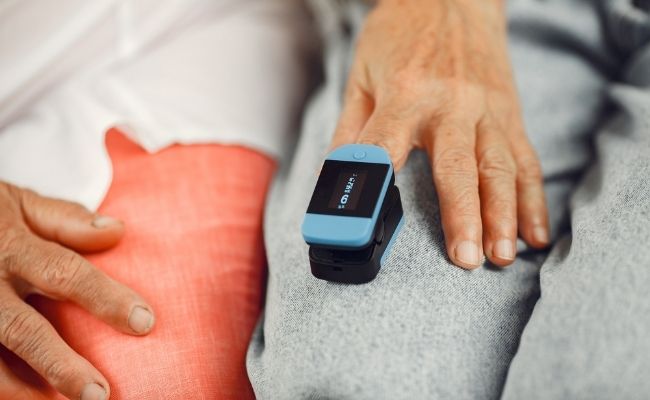
Wearables bridge this gap by generating continuous, real-time health data such as physical activity levels, heart rate variability, sleep patterns, calorie expenditure, and, in some cases, blood oxygen levels and ECG readings. For insurers, this represents a paradigm shift—from insuring illness to managing health.
Key Problem in Traditional Health Insurance
From the Insurer’s Perspective
- Limited visibility into post-policy health behaviour
- Rising claims due to lifestyle diseases
- Difficulty in differentiating low-risk and high-risk lives
- Increasing fraud and overutilization
From the Policyholder’s Perspective
- Same premium despite healthy behaviour
- No incentives for preventive care
- Limited engagement with insurer except during claims
Wearables as the Solution: How Innovation Is Enabled
1. Dynamic Risk Assessment
Wearables allow insurers to move from one-time underwriting to continuous risk monitoring. Instead of relying solely on medical tests, insurers can observe trends in physical activity, obesity risk, and cardiovascular indicators.
Impact:
- Better risk segmentation
- Fairer pricing over time
- Reduced adverse selection
2. Wellness-Linked Insurance Models
Insurers are increasingly linking wearables to wellness programs where policyholders earn:
- Premium discounts
- Renewal benefits
- Reward points redeemable for vouchers or services
Example (Model-Based, Not Brand-Specific):
A policyholder achieving daily step targets over a policy year receives renewal premium discounts or additional sum insured at no extra cost.
3. Chronic Disease Management
Wearables are particularly impactful in managing:
- Diabetes
- Hypertension
- Cardiac conditions
Continuous monitoring enables early intervention, reducing hospitalization frequency and claim severity.
Outcome:
- Lower long-term claims
- Improved quality of life
- Better insurer–customer engagement
4. Claims Reduction Through Preventive Insights
Data from wearables helps insurers identify early warning signs such as:
- Abnormal heart rate patterns
- Sedentary behaviour trends
- Sleep disorders
Timely nudges or medical consultations reduce severe claims.
5. Behaviour-Based Pricing (Future Potential)
Wearables pave the way for behaviour-linked health insurance, similar to usage-based motor insurance.
Potential features include:
- Variable premiums
- Risk score-based underwriting
- Lifestyle-adjusted sum insured
This represents a structural shift in health insurance pricing philosophy.
Results and Impact of Wearable Integration
- Improved customer engagement and retention
- Reduction in claim frequency for lifestyle-related illnesses
- Better actuarial insights into disease progression
- Enhanced brand perception of insurers as “health partners”
Challenges and Limitations
1. Data Privacy and Consent
Health data is highly sensitive. Improper handling can lead to regulatory violations and reputational damage.
2. Data Reliability and Manipulation
Wearable data may be inaccurate or deliberately manipulated, raising underwriting and claims integrity concerns.
3. Digital Divide
Not all policyholders—especially elderly or rural populations—are comfortable using wearables.
4. Regulatory and Ethical Concerns
- Can insurers penalize unhealthy behaviour?
- Should wearable data be mandatory or optional?
- How to prevent discrimination based on health metrics?
Lessons for Insurers
- Wearables should supplement, not replace, traditional underwriting
- Participation must be voluntary and incentive-driven
- Transparent data usage policies are essential
- Human oversight must remain in underwriting and claims decisions
Conclusion
Wearables represent one of the most powerful innovations in health insurance, enabling a shift from reactive risk coverage to proactive health management. When deployed responsibly, wearables can align the interests of insurers and insureds—lower claims for insurers and better health outcomes for policyholders.
However, wearable-driven insurance innovation must balance technology with ethics, data protection, and inclusivity. The future of health insurance will not be determined by devices alone, but by how intelligently and responsibly insurers use the insights they generate.
Key Takeaways
- Wearables enable prevention-focused insurance
- They support fairer, data-driven risk assessment
- Innovation must be customer-centric and ethical
- Regulatory clarity and data governance are critical.
