


Executive Summary
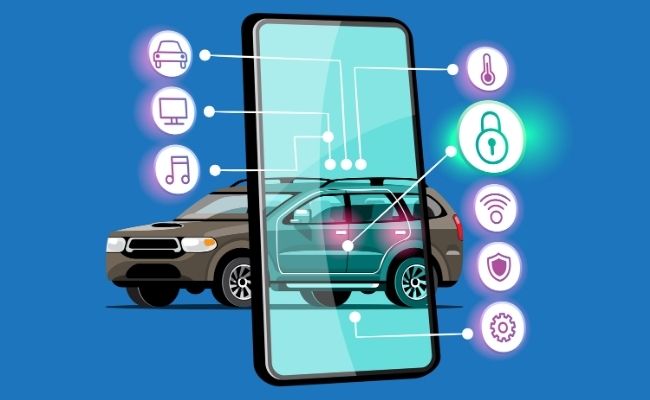
The global motor insurance industry is undergoing a major transformation, driven by digital innovation and evolving customer expectations. Among the most disruptive technologies reshaping the sector is telematics — the use of connected vehicle data to assess driving behavior, determine premiums, and improve road safety. Traditionally, motor insurance pricing was based on static parameters such as age, vehicle type, and past claim history. Telematics introduces a behavior-based pricing model, where real-time driving patterns such as speed, braking, cornering, and distance are tracked through sensors or mobile apps.
This case study explores how Usage-Based Insurance (UBI) models powered by telematics—specifically Pay-As-You-Drive (PAYD) and Pay-How-You-Drive (PHYD)—are revolutionizing motor insurance. It highlights global implementations like Progressive’s Snapshot (USA) and Aviva Drive (UK), along with Indian initiatives from Bajaj Allianz, ICICI Lombard, and HDFC ERGO following IRDAI’s regulatory sandbox approval.
The study provides detailed insights into the problems faced by insurers and customers under conventional motor insurance, the data-driven telematics solution, measurable results and adoption trends, along with limitations and future directions. It concludes that telematics not only enhances underwriting accuracy but also fosters safer driving behavior, better loss prevention, and increased customer engagement—marking a fundamental shift toward intelligent, personalized insurance.
Introduction
Motor insurance has traditionally relied on static data models—vehicle registration details, driver age, and claim history—to assess risk and determine premiums. While effective to a degree, this approach fails to account for real-time driver behavior, creating a one-size-fits-all pricing structure that penalizes safe drivers and inadequately prices high-risk behavior.
The rise of InsurTech—the intersection of insurance and technology—has enabled the use of telematics, GPS, IoT sensors, and AI analytics to collect and process vehicle data. Telematics devices or smartphone-based applications record metrics such as speed, acceleration, braking intensity, and driving time, allowing insurers to price risk more scientifically.
In India, the IRDAI’s 2022 circular on “Motor Own Damage Add-on Covers” officially allowed the introduction of usage-based products such as Pay-As-You-Drive and Pay-How-You-Drive. This has unlocked a new era of data-driven motor insurance designed to promote fairness, transparency, and road safety.
This case study analyses the business and technical dimensions of telematics-based motor insurance, focusing on real-world implementations, benefits, operational challenges, and lessons for the future.
Discussion – Major Problems in Conventional Motor Insurance
Despite being a mature line of business, traditional motor insurance models have inherent inefficiencies:
1. Static Pricing Models – Premiums are determined by broad demographic data, not actual risk behavior.
2. Moral Hazard and Adverse Selection – Reckless drivers pay the same as careful ones, disincentivizing safe driving.
3. Lack of Customer Engagement – Policyholders interact with insurers only during purchase or claim events.
4. Fraud and False Claims – Accident circumstances and vehicle usage are difficult to verify without objective data.
5. Poor Loss Prevention – Insurers lack mechanisms to proactively influence safer driving or prevent accidents.
These problems have led to high claim ratios, limited innovation, and customer dissatisfaction, prompting insurers to explore technology-enabled models for smarter underwriting.
Definition of Key Terms
- Telematics: The integration of telecommunications and informatics to transmit, store, and analyze vehicle data related to speed, distance, location, and driver behavior.
- Usage-Based Insurance (UBI): A flexible insurance model where premiums are determined by how much and how safely a person drives.
- Pay-As-You-Drive (PAYD): Premiums calculated based on the distance or time driven.
- Pay-How-You-Drive (PHYD): Premiums determined by driving behavior metrics such as braking, acceleration, and cornering.
- OBD Device: An “On-Board Diagnostics” plug-in device that collects vehicle data and transmits it to the insurer.
- Driving Score: A risk score derived from aggregated telematics data reflecting driving safety and performance.
The Problem: Challenges Faced by Insurers and Customers
Both insurers and policyholders faced challenges in traditional models:
For Insurers:
- Inaccurate risk pricing due to lack of granular driving data.
- High claim frequency from risky drivers.
- Growing cases of staged accidents and fraudulent claims.
- Limited means to promote preventive behavior.
For Customers:
- Uniform premium rates regardless of personal driving habits.
- Lack of transparency in how premiums are calculated.
- No financial reward for being a safe or low-mileage driver.
The motor insurance market needed a data-driven solution that ensured fairness, accuracy, and engagement—while still being scalable and regulatory-compliant.
The Solution: Telematics-Driven Motor Insurance
To address these gaps, insurers began deploying telematics-based UBI models.
Implementation Approach
1. Data Collection: Vehicle data is collected through GPS-enabled OBD devices, black boxes, or smartphone sensors.
2. Data Analytics: AI and machine learning algorithms process driving data to create individual driver risk profiles.
3. Customized Premiums: Insurers apply dynamic pricing based on the driver’s “safety score” and mileage.
4. Behavioral Feedback: Policyholders receive performance reports and driving tips through mobile apps, encouraging safer driving.
5. Claim Support: Real-time data helps validate accident details, reducing fraud and claim processing time.
Example 1 – Progressive’s Snapshot (USA)
- One of the earliest and most successful PAYD programs.
- Over 25 billion miles of driving data collected.
- Drivers demonstrating safer habits save 10–30% on premiums.
Example 2 – Aviva Drive (UK)
- Mobile app-based telematics program.
- Tracks speed, braking, and cornering to calculate a driving score.
- Discounts up to 20% for high-scoring users.
Example 3 – Indian Scenario (Post-IRDAI Sandbox)
- Bajaj Allianz DriveSmart, ICICI Lombard’s PAYD, and HDFC ERGO’s “Usage-Based” Add-ons use telematics or app-based tracking.
- These products are designed to attract low-mileage, urban drivers and promote responsible behavior.
The Results – Data and Impact Analysis
Quantitative and qualitative results observed globally:
Fairer Pricing:
- Safe drivers enjoy discounts of 10–40%.
- Risky drivers pay higher premiums, improving underwriting accuracy.
Lower Claim Frequency:
- Telematics programs have shown 15–25% fewer accidents among enrolled drivers.
Fraud Reduction:
- Real-time data provides clear evidence of incident timing, location, and speed, cutting false claims by up to 30%.
Improved Customer Engagement:
- Continuous interaction via mobile apps and driving feedback increases retention rates by 20–25%.
Enhanced Road Safety:
- Behavioral analytics and gamification (driving scores, safety badges) promote long-term responsible driving.
Limitations
Despite the benefits, telematics-based insurance faces several challenges:
1. Privacy and Data Security: Concerns over sharing personal driving data and potential misuse.
2. Infrastructure Requirements: Dependence on smartphone connectivity or device installation.
3. Regulatory Framework: In early stages in India; lacks comprehensive data protection norms for telematics.
4. Consumer Awareness: Many drivers are hesitant to adopt monitoring-based systems.
5. Basis Risk and Technical Errors: Sensor calibration or GPS inaccuracies can occasionally misrepresent driving behavior.
Conclusion
Telematics has ushered in a transformational era for motor insurance, replacing traditional static risk models with dynamic, data-driven precision. By linking premium pricing directly to driving behavior, insurers are aligning incentives for both safety and profitability.
Globally, insurers like Progressive, Aviva, and AXA have demonstrated how telematics enhances transparency, strengthens customer loyalty, and reduces claims. In India, early adoption post-IRDAI sandbox approval signals a promising shift toward usage-based, tech-integrated insurance ecosystems.
As vehicles become increasingly connected, telematics will serve as the foundation for AI-powered, personalized mobility insurance—bridging the gap between InsurTech innovation, sustainability, and customer trust.
Recommendations / Key Learnings
1. Regulatory Enablement: IRDAI should establish a standardized telematics data governance framework.
2. Data Privacy Assurance: Insurers must adopt encryption and consent-based data sharing to build trust.
3. Public Awareness: Educate consumers about benefits like fair pricing and safe driving incentives.
4. Integration with EVs and Smart Mobility: Expand telematics models to include electric and shared vehicles.
5. Collaborations: Partnerships between insurers, auto manufacturers, and telecom companies can accelerate scalability.
6. Analytics Investment: Use AI to refine driving scores and predict risk patterns more accurately.
