


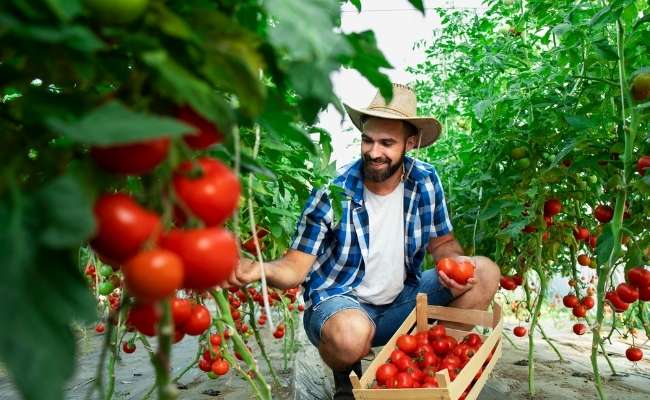

Agriculture at the Heart of Cambodia’s Economy
Cambodia, with its population of approximately 17.4 million, remains deeply reliant on agriculture for livelihoods and economic growth. In 2024, the sector contributed 16.7% of GDP, slightly down from 17.1% the previous year, while employing around 3 million people (36–37% of the national workforce). More than 60% of Cambodians live in rural areas, with approximately 78% of rural households depending on farming, forestry, or fishing.
The Climate Challenge: Droughts on the Rise
Cambodia’s agricultural backbone is increasingly threatened by climate shocks, particularly droughts and floods. According to the Cambodian Development Resource Institute, 62% of losses are flood-related and 36% drought-related. These disruptions are worsened by limited water infrastructure—only 20.6% of agricultural holdings have access to irrigation, despite 67% of land being cultivated.
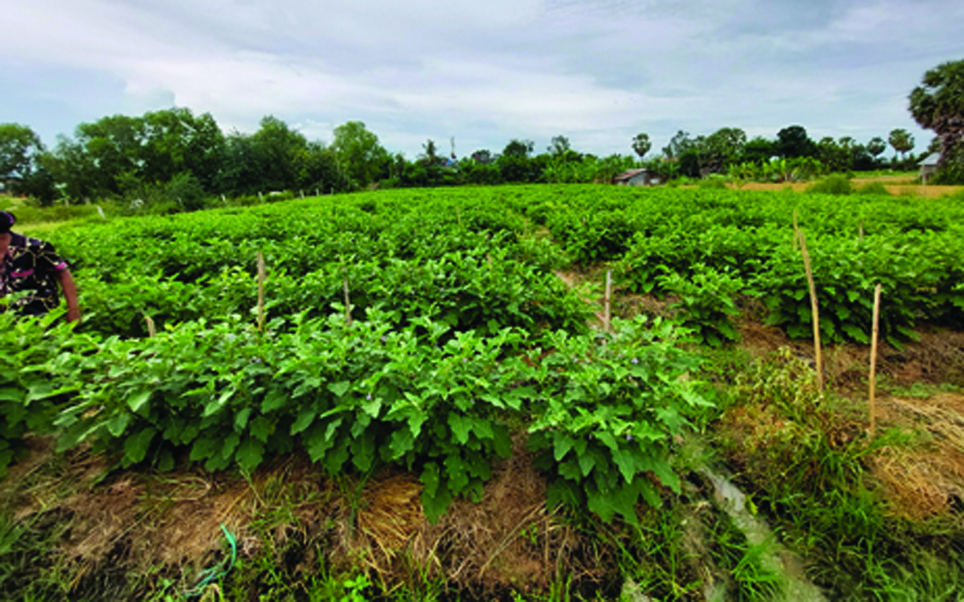
The effects of this vulnerability were starkly visible in early 2024, when a prolonged drought impacted several key provinces, including Siem Reap, Kampong Thom—two of Cambodia’s leading vegetable-growing regions.
Vegetable Farming: Essential, But Exposed
Vegetables are particularly sensitive at all growth stages—germination, flowering, and fruiting—suffering from issues like rot, wilting, and reduced yields during prolonged droughts or intense rains. In areas without irrigation (67% of Cambodia’s farmland lacks it), drought severely hinders vegetable production; if the dry season starts late, planting must be delayed, further reducing seasonal yields (source). Natural disasters—especially droughts and floods—pose severe risks to Cambodia’s vegetable sector, impacting yield, income, nutrition, and rural resilience. The lack of irrigation infrastructure and increasing climate variability further intensify these challenges.
Microinsurance: A First for Vegetable Farmers
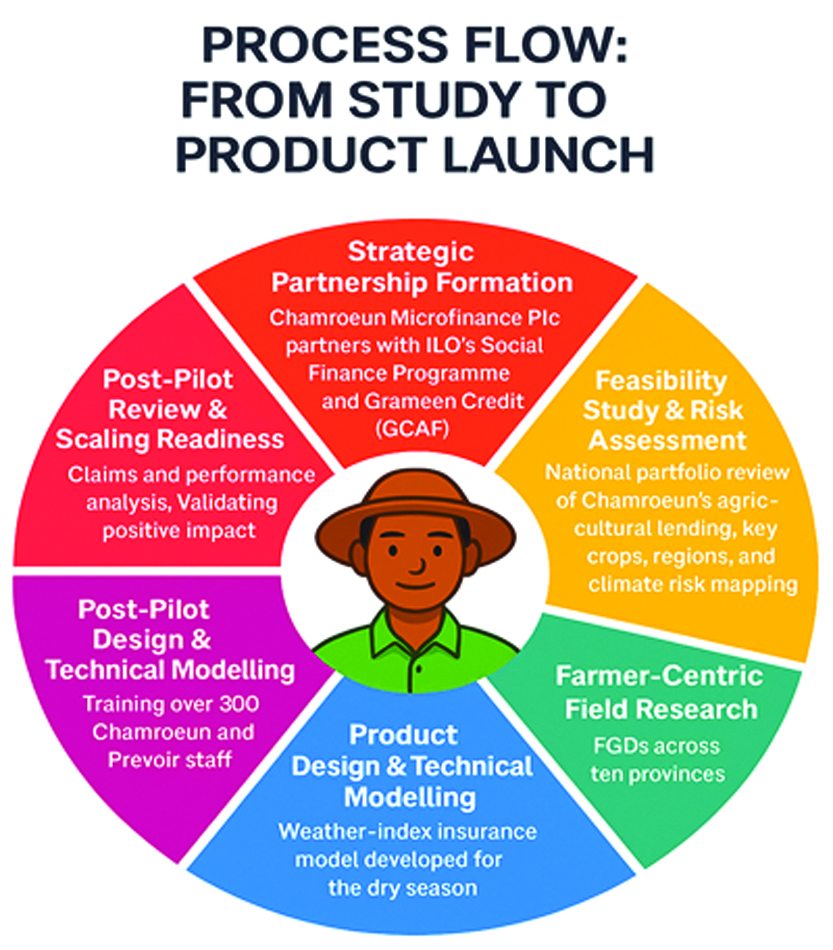
Chamroeun Microfinance Plc, with technical support from the ILO’s Social Finance Programme and the Grameen Crédit Agricole Foundation (GCAF), formally launched a technical assistance programme to integrate climate risk insurance into its inclusive financial services. This initiative led to the development and rollout of Cambodia’s first-ever weather-index microinsurance product for vegetable farmers in early 2024. The programme focuses on supporting low-income households, women, smallholder farmers, and MSMEs across 178 communes in Kampong Thom, Siem Reap, and Battambang—provinces identified for their growing vegetable production and vulnerability to climate risks.
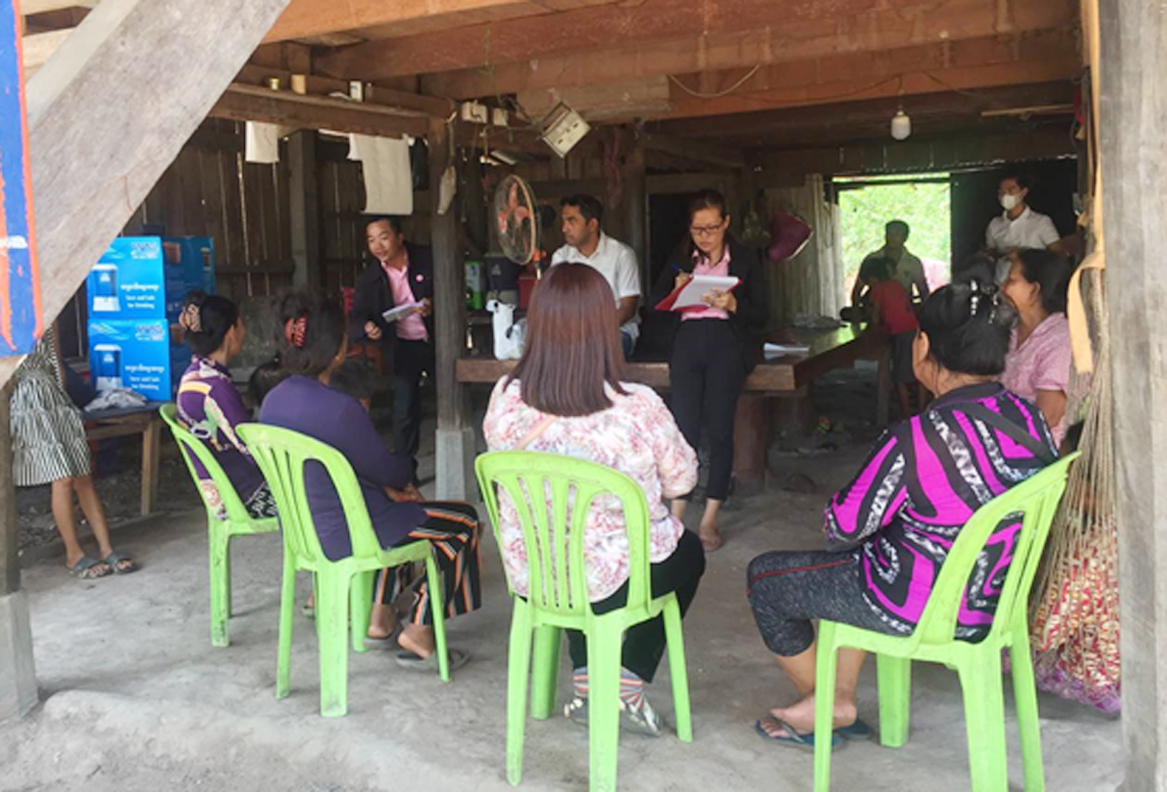
The pilot was first implemented in Siem Reap and Kampong Thom, where vegetable farming plays a vital economic and nutritional role but is increasingly exposed to climate-induced shocks. The development of the product followed a rigorous, data-driven process, led by the ILO’s Social Finance Programme. A national feasibility study of Chamroeun’s credit portfolio revealed strong demand for insurance covering crops such as rice, cassava, maize, vegetables, and cashew. This was further informed by structured focus group discussions (FGDs) held across key provinces, capturing farmers’ perspectives on risk exposure, product features, and coping strategies.
With technical guidance from the ILO and based on the feasibility findings, the project was structured around four core pillars:
- Developing robust climate risk models and innovative weather-index insurance products
- Promoting customer literacy and awareness among vulnerable farming households
- Strengthening sales and distribution channels for broader reach
- Utilizing digital technologies to enhance accessibility and efficiency in service delivery.
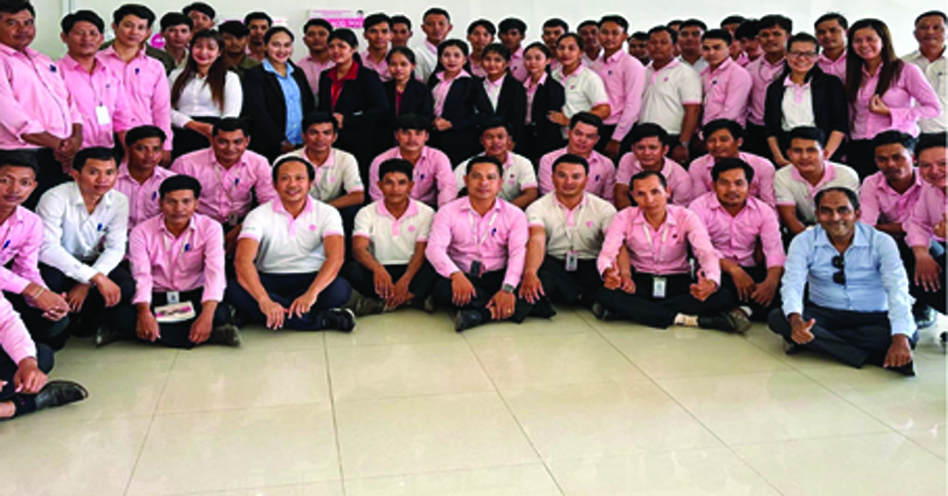
To build internal capacity, staff from Chamroeun and Prévoir Micro Life Insurance Plc (Insurer) participated in intensive training on product design, pricing, claims monitoring, and operations. These were facilitated by experts from the ILO’s Social Finance Programme, Risk Shield Ltd., and other partners. The programme also supported training on satellite data analysis for monitoring rainfall and improving transparency in claims management.
Product Coverage and Claim Mechanism
The product provides drought risk coverage specifically for dry season vegetable farming, with the coverage period spanning from 1st January 2024 to 31st March 2024 (inclusive of both dates).
The index-based payout mechanism works as follows:
- If the cumulative rainfall during the insured period is below a predefined trigger level (measured in millimeters), the farmer receives a payout.
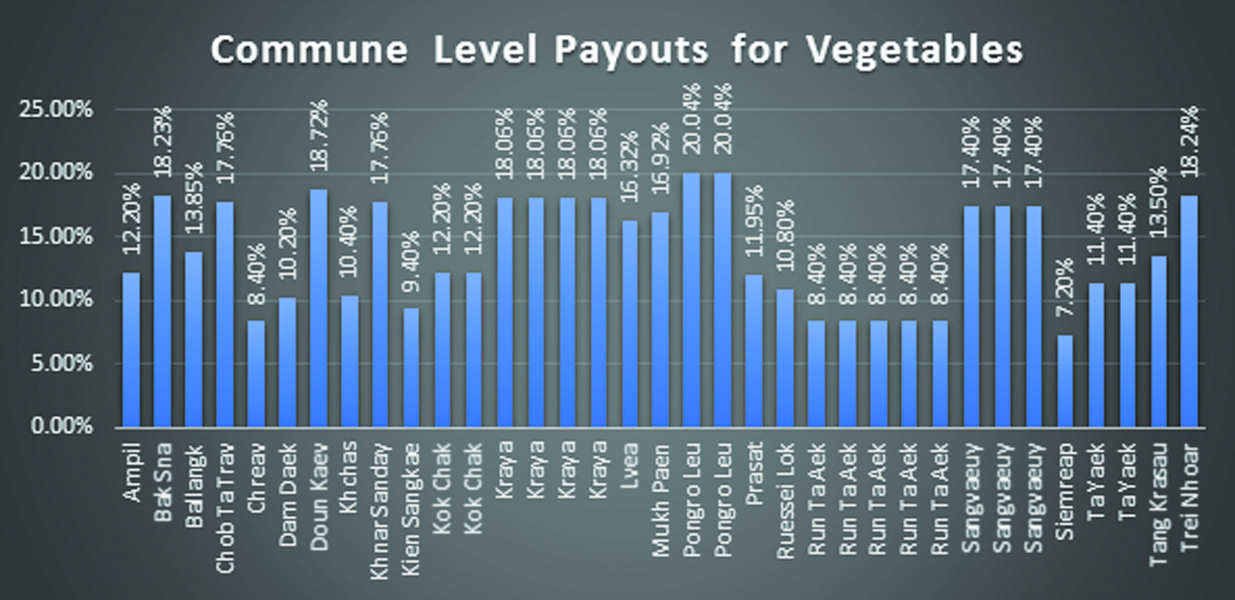
- The trigger levels were set at the commune level, based on historical weather data and validated through actuarial modeling.
- Satellite rainfall data from CHIRPS (Climate Hazards Group InfraRed Precipitation with Station data) is used to measure actual rainfall.
- For every 1 mm deficit below the trigger threshold, the payout increases at a predetermined rate (%), ensuring transparency and objectivity.
- The payout table, rates, and thresholds were customized to reflect local weather risk patterns and farmers’ capacity to absorb shocks.
This design ensures that coverage is affordable, automatic, and timely, eliminating the need for claim filing or field verification.
Real-World Impact
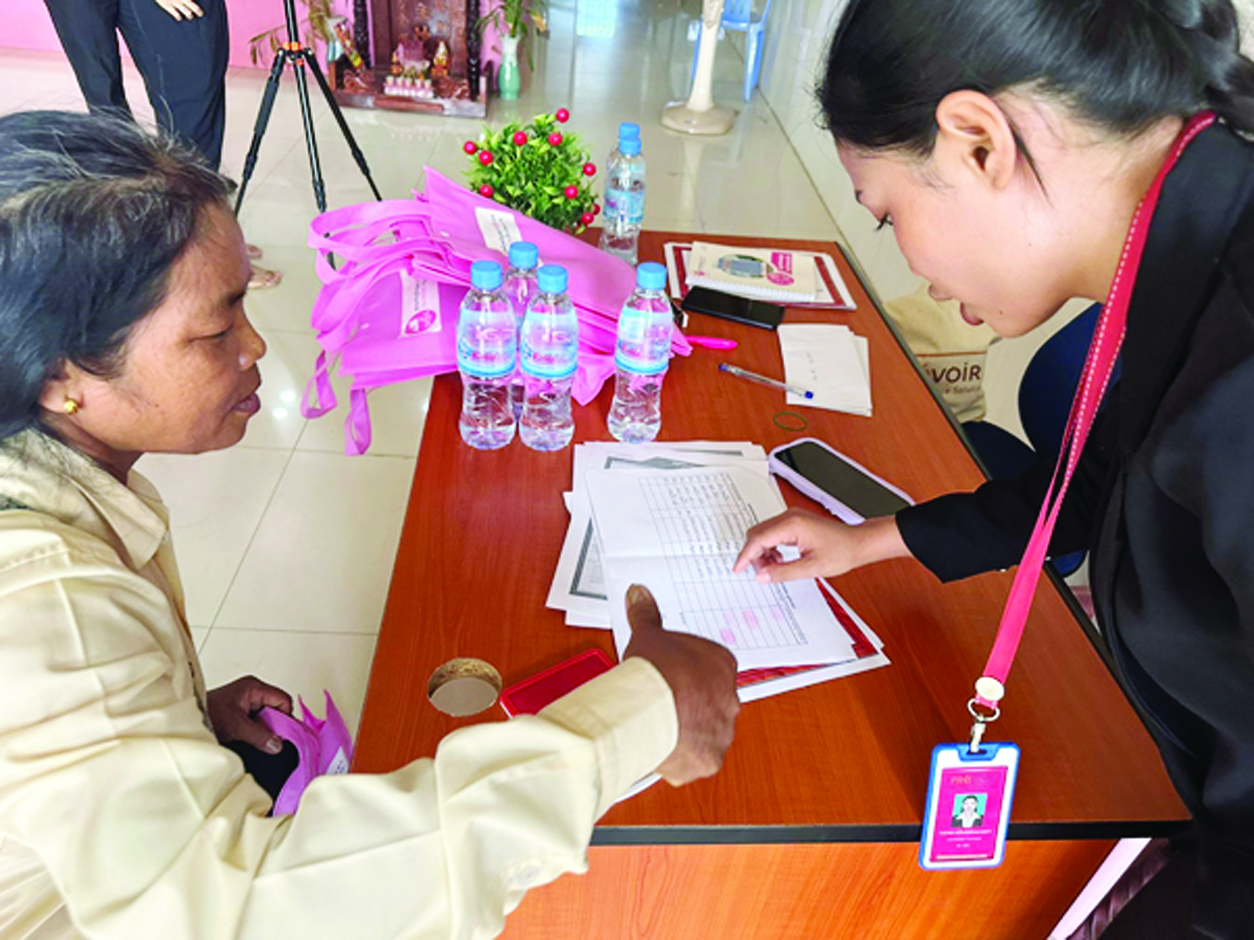
The relevance of the product was validated during the 2024 dry season, when a severe drought lasting over 80 days hit key vegetable-producing areas. The drought triggered Cambodia’s first-ever microinsurance payout for vegetable farmers, with claims settled in April 2024. Notably, 68% of insured farmers were women, underscoring the importance of gender-responsive approaches in risk.
Toward Scalable Climate-Resilient Finance
The vegetable insurance pilot is a key component of Chamroeun’s broader strategy to strengthen inclusive financial services for Cambodia’s most climate-vulnerable communities. Alongside credit, microinsurance is emerging as a vital response to climate-related and microeconomic shocks that threaten the stability of smallholder households.
A critical and often overlooked challenge for farmers during drought is the surge in irrigation costs. Vegetables—and many other crops—require significantly more water during extended dry periods, leading farmers to spend heavily on irrigation just to sustain their yields. These additional expenses often go unaccounted for, but by the end of the season, they erode profit margins and can turn what would be a productive harvest into a financial loss.

This pilot has proven that parametric agriculture insurance can help offset such drought-induced costs by providing timely payouts linked to rainfall deficits—offering farmers a cushion to manage unexpected input costs like irrigation.
The pilot has not only demonstrated the effectiveness of index insurance but also strengthened Chamroeun’s institutional capacity and built trust within rural communities. With technical leadership from the ILO’s Social Finance Programme and foundational support from the Grameen Crédit Agricole Foundation, the initiative stands as a model for scaling inclusive, climate-resilient microinsurance in Cambodia. Through investments in climate risk modelling, client literacy, digital distribution, and local engagement, the programme is laying the foundation for a sustainable and scalable inclusive insurance ecosystem.
A National Priority: Food Security & Resilience
Cambodia exported over 12 million tonnes of farm products in 2024, valued at US $5.3 billion. Yet, despite this outward success, internal food systems remain fragile. The UN FAO reports that 45% of Cambodians experience moderate or severe food insecurity, underscoring the urgent need to protect food production at its source—especially among climate-vulnerable vegetable farmers.
Conclusion
Chamroeun’s weather-index insurance pilot, developed with support from the ILO’s Social Finance Programme during a period of severe drought, demonstrates the power of inclusive, climate-resilient financial tools for smallholder farmers in Cambodia. By providing timely payouts based on objective weather data, the product helps protect rural livelihoods, encourages investment in higher-value farming, and builds long-term resilience. Technical support, strong partnerships, and an enabling policy environment, Cambodia has the potential to become a regional leader in scaling innovative microinsurance solutions that help farmers not just survive, but thrive in the face of climate uncertainty.
Authored By:
Ali Tareque Parvez
External Collaborator – Inclusive Insurance Asia
Social Finance Programme
International Labour Organization
